Exploring the psychology behind casino game choices The allure of casino games The excitement of casino games lies in their ability to engage players on multiple psychological levels. Factors such as vivid colors, enticing sounds, and the thrill of potential winnings create an immersive environment that captivates individuals. As players explore these elements, they may …

The allure of casino games
The excitement of casino games lies in their ability to engage players on multiple psychological levels. Factors such as vivid colors, enticing sounds, and the thrill of potential winnings create an immersive environment that captivates individuals. As players explore these elements, they may discover resources available at nordicbridges.ca, which foster connections within the gambling community. This sensory stimulation can lead to increased dopamine levels in the brain, reinforcing the desire to continue playing. As a result, players often find themselves drawn to specific games not just for their mechanics but for the emotional highs they offer.
Moreover, the design of casino games is strategically crafted to cater to various psychological needs. For instance, the uncertainty of unpredictable outcomes can generate a strong sense of anticipation. This unpredictability, paired with the possibility of winning, becomes a powerful motivator for players, influencing their choices in the games they prefer. Understanding this allure can help clarify why certain games hold more appeal than others in different players.
The impact of personal preference
Each player brings their own set of preferences and experiences to the casino environment, which can significantly influence their game choices. Factors such as past experiences with gambling, cultural background, and personality traits play a crucial role in dictating which games individuals gravitate towards. For example, more risk-averse individuals may prefer games with lower stakes and higher chances of winning, such as blackjack, while more adventurous players might be drawn to the high stakes of poker or slot machines. Unknown aspects of personal history can also play into these preferences, transcending mere chance.
Additionally, social influences can shape game selection. Many players enjoy the communal aspect of casino games, opting for those that allow for interaction with others, such as table games. This social element can enhance the gaming experience, making group-oriented games more appealing. Thus, personal preferences, shaped by individual psychology and social dynamics, are key factors in game choice at casinos.
Game design and psychology
The design of casino games is deeply rooted in psychological principles that enhance player engagement. Developers meticulously craft each game to include features that maximize user enjoyment and excitement. For instance, the use of rewards, whether through small wins or visual incentives, can create a sense of achievement, encouraging players to continue playing. This strategy is known as variable reinforcement, where intermittent rewards keep players coming back for more.
Furthermore, game mechanics such as near-misses can also play a pivotal role in player retention. When players experience a close call, it can trigger feelings of hope and motivation to keep trying, often leading to increased time spent on a game. This psychological manipulation, combined with an understanding of players’ desires, makes the casino gaming experience both thrilling and compelling.
The role of luck and chance
Luck and chance are integral elements in the casino experience, heavily influencing player psychology. The random nature of outcomes can evoke strong emotions, from euphoria when winning to frustration when losing. This interplay between luck and emotional response is a fundamental reason why players engage with casino games. Many players embrace the idea that luck can dramatically shift their fortunes, driving them to persist despite losses.
The perception of luck is further complicated by cognitive biases, such as the gambler’s fallacy, where individuals believe that past outcomes influence future results. This misconception can lead players to make irrational decisions based on their belief systems, showcasing how deeply ingrained psychological factors can affect game choices. As such, understanding the role of luck is essential in grasping why players are often attracted to specific games.
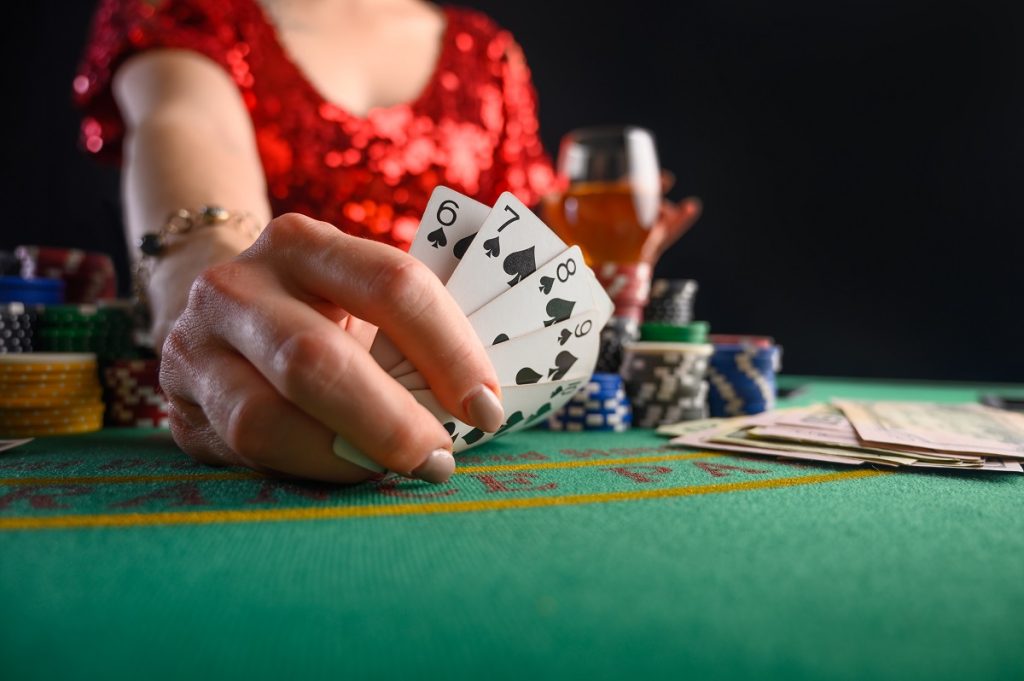
Connecting with the Nordic community through gambling culture
The interplay between psychology and gambling choices extends beyond individual behavior and can reflect broader cultural trends. For instance, in Nordic countries, gambling is often viewed through the lens of social enjoyment rather than a solitary pursuit. The cultural context significantly influences game choices, with preferences leaning towards games that promote community interaction, such as bingo or poker nights. This connection highlights how cultural values can shape not only preferences but the overall gambling experience.
Furthermore, platforms that foster connections within the Nordic community can serve as vital resources for understanding gambling behaviors. These platforms encourage discussions on cultural perspectives and responsible gaming, allowing individuals to gain insights into how shared values influence their choices. Such community engagement is essential in fostering a healthier approach to gambling, ensuring that players are informed and aware of the psychological aspects influencing their game preferences.